Why your "how we work" page sounds like everyone else's
You want to define your model or process, something that shows you think differently, but it ends up sounding like everyone else.
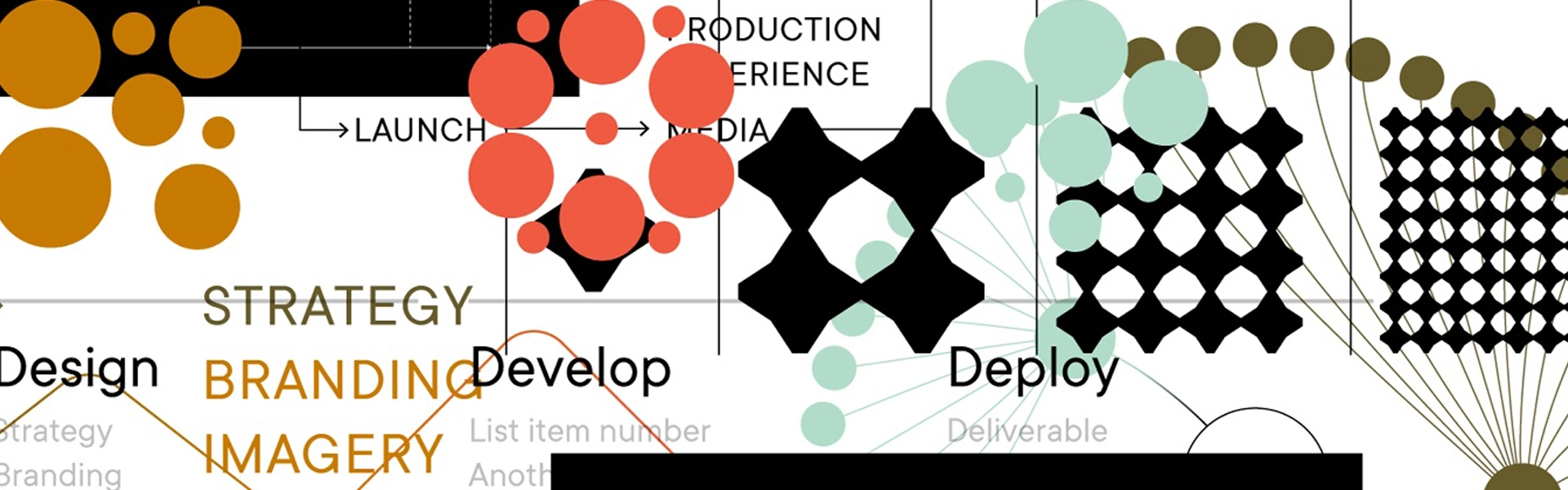
We had this internal conversation for years, trying to articulate a point of difference that just wasn't there. It was frustrating, and the results were lackluster. We ended up posting a step-by-step process that was all about our internal operations and had nothing to do with solving client problems.
We thought we had to show a process to prove we could get results.
But this is more bad advice from products. You aren't trying to make the same hamburger in Berlin and Fresno and Shanghai.
For professional and financial services companies, your case studies show you can get results. Your model shows that you understand your customer and can anticipate their problems in a way that creates differentiation.
We got it wrong because we started with introspection. We included everything from onboarding to invoicing. Your clients will be pretty sure that you can handle onboarding and can send an invoice. We don't get hired for the steps. We get hired for our perspective and our expertise.
The strongest models are built on a pattern you've noticed from dozens of engagements across years of experience. This pattern is a problem your client has felt but can't articulate. The model will also end up showing where your competition falls short, because they're thinking about their deliverables, not the client's needs.
We named the mortgage startup Cursive. I could tell you about criteria, name generation, the decision matrix, and trademark clearance. Those steps are essential to the success of the name. But the client didn't want a name. They wanted a business that attracted the best employees, who are critical to their growth.

They wanted a brand that felt fluid and effortless, that hinted at the moment when you pick up the pen, sign your name, and own your first house.
With that change in perspective, how would it change our model? The steps aren't different, but the orientation is. It's not focused on what we do, but on what the client really wants.
If you're struggling to identify what your customers want, you likely have too broad a customer base, offer too many services, or just don't yet have the experience to draw the conclusions you need to create a meaningful model.
And if you have narrowed and are still struggling, consider your starting point. Is it with you, or them? If your starting point still needs work, the Brand Warm-Up is built to find it with you.
It's the same trap that shows up on the Services page and the website as a whole — start with what you do instead of who it's for, and every page ends up sounding the same.

Keep up with Bullhorn
Connect on LinkedIn or Instagram
Buy Brad’s naming book